For investors
For investors: how returns work
You buy a home that already has a lifetime lease in place. The occupier has paid for the right to live there for life and looks after the property. When the lease ends, you hold the home with vacant possession and its full value.
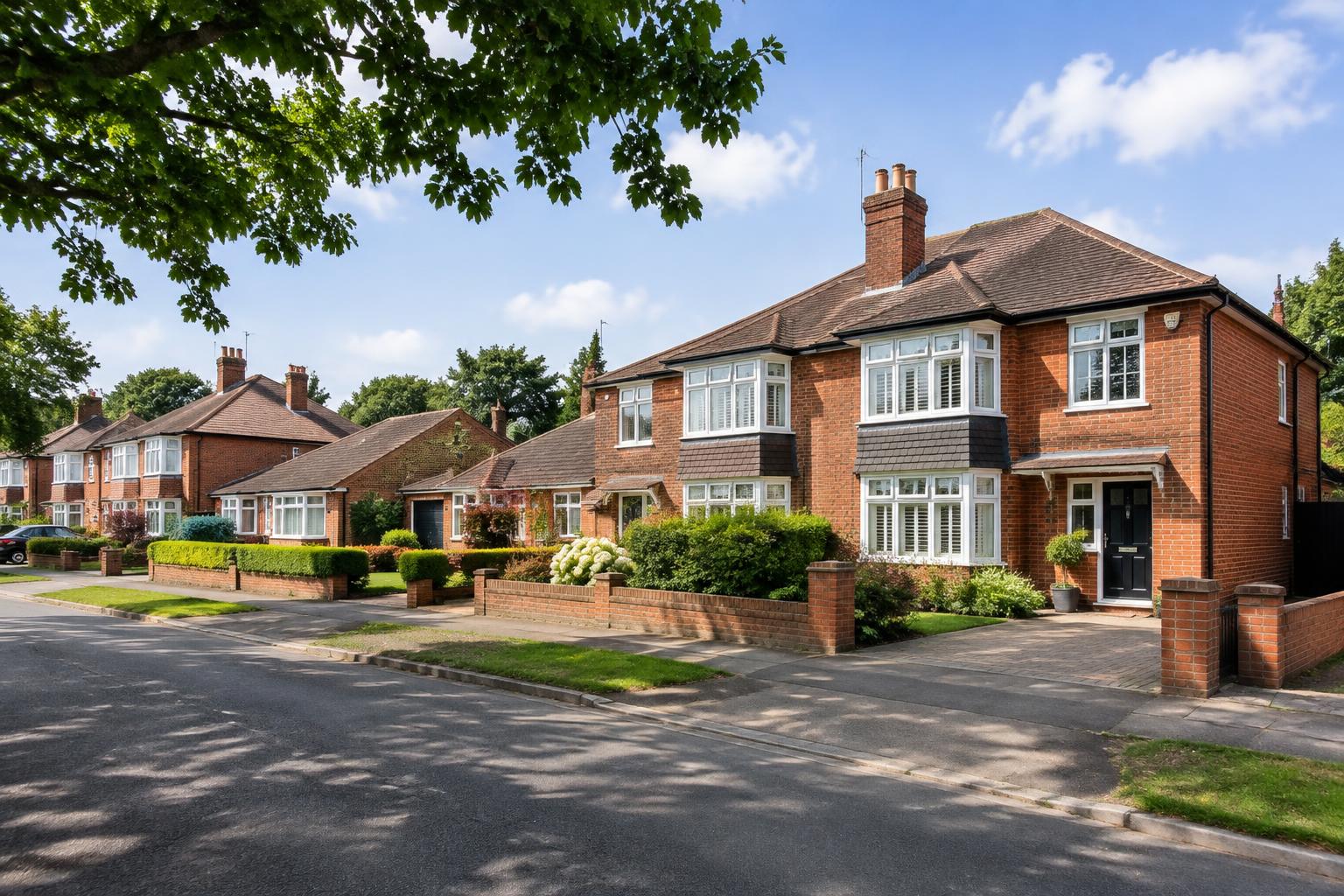
Bought well below full value
Acquire homes at a substantial discount because a lifetime lease is in place.
No landlord hassle
No rent to collect, no voids. The occupier maintains the home.
Full upside at lease end
You receive the full vacant-possession value when the lease ends.
Spread your risk
Hold several homes with different occupiers to smooth outcomes.
Illustrative worked example
£200,000 home · age 70 · single
The home buyer pays £100,000 for a Lifetime Lease; the investor pays £100,000 and owns the home. The home is bought at market value. This example uses a company investor, higher-rate purchase stamp duty and no works.
| Your share of the price | £100,000 |
|---|---|
| Instruction fee · paid on instruction | £1,200 |
| Arrangement fee · paid on completion | £9,999 |
| Your 100.0% share of purchase stamp duty | £11,500 |
| Legal fees estimate | £1,750 |
Your total
£124,449
Expected lease length used: 15 years. This is a projection, not a predicted end date.
| Annual growth | Value at lease end | Yearly return |
|---|---|---|
| 1.0% | £232,194 | 4.2% |
| 3.0% | £311,593 | 6.3% |
| 5.0% | £415,786 | 8.4% |
What if the lease lasts longer?
Your money is paid once, up front. If the resident lives longer than expected, you wait longer, but the home keeps growing in value. A long lease lowers your yearly return; it does not add further costs. Spreading your investment across several homes evens out the timing.
Illustrative yearly returns at 3.0% annual growth. House prices can fall.
| Lease length | Yearly return |
|---|---|
| 15 years | 6.3% |
| 20 years | 5.5% |
| 25 years | 5.0% |
| 30 years | 4.6% |
These figures are estimates for illustration only and are not an offer. Final prices depend on your age, circumstances, the property and professional advice. Stamp duty is based on 2026/27 rates for England and your own situation may differ. Lifetime Homes does not give financial, legal or tax advice.
There is no rent and no income until the lease ends. Returns depend on how long the occupier lives and on house prices. Homes are a long-term, illiquid investment. When the occupier dies or moves permanently into long-term care, the home returns to the investor.
The risks
- No income until the lease ends.
- Returns depend on how long the occupier lives.
- House prices can fall.
- Homes are illiquid and can't be sold quickly at full value.
Meizon Limited may also invest in homes alongside you.